


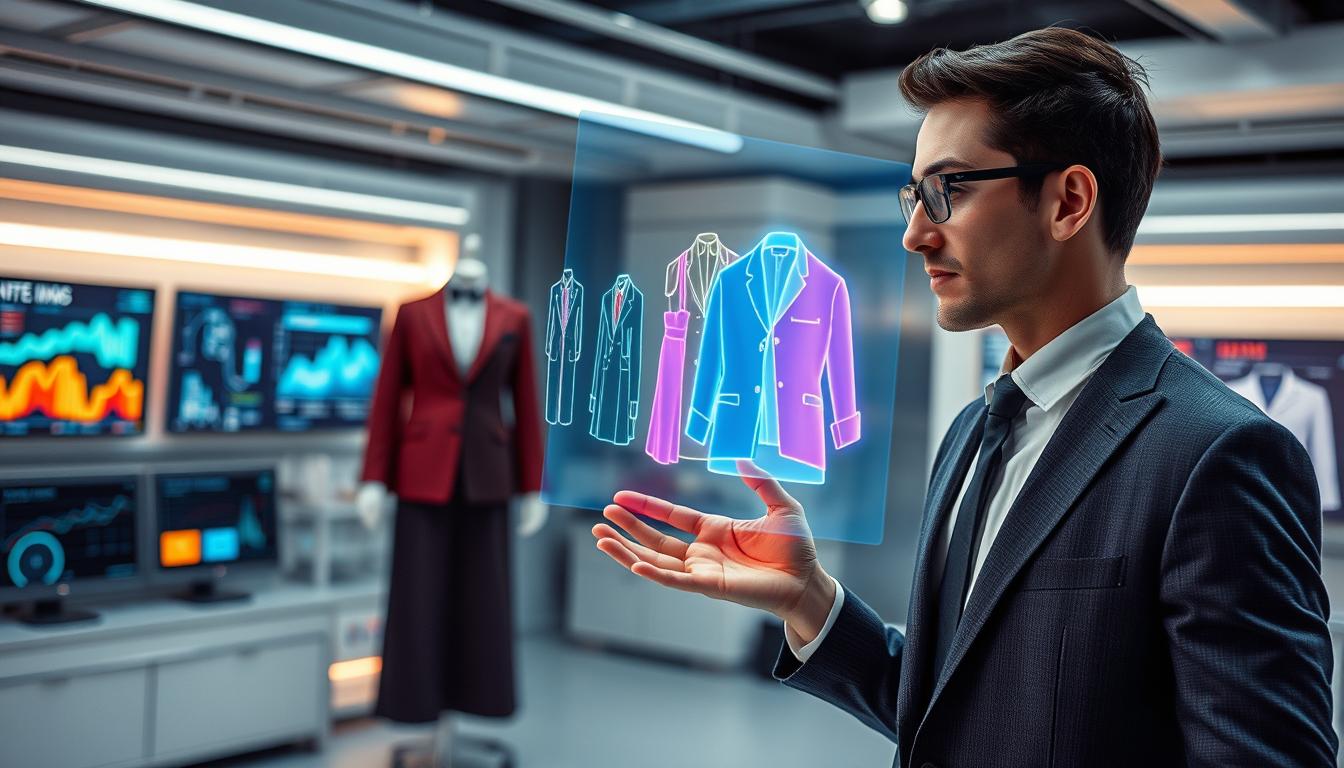
Have you ever wondered how artificial intelligence can change the way we interact with images? Imagine being able to remove clothing from a photo with just a few clicks.
This is now possible with the technology known as AI Undress, a tool that uses Nudify AI to transform images in a matter of seconds.
The concept may raise several questions about its applications, safety, and legality. As we explore the world of AI Undress, we will delve into its features, benefits, and the implications of using such technology.
Key Takeaways
- Understanding the basics of AI Undress technology
- Exploring the features and benefits of using AI Undress
- Discussing the safety and privacy concerns associated with AI Undress
- Examining the legal implications of using AI Undress
- Discovering the potential applications of AI Undress in various industries
What Is AI Undress Technology?
Deep learning undressing technology has emerged as a significant innovation in the field of computer vision. This technology enables the removal of clothing from images using advanced AI algorithms, creating a digital representation of a person without clothes.
The Technical Definition and Core Concepts
AI Undress technology is based on deep learning models that are trained on vast datasets of images. These models learn to identify and separate clothing from the human body, allowing for the creation of realistic, clothed, and unclothed versions of a person in a digital image.
The core concept revolves around automated clothes removal software that can accurately distinguish between different types of clothing and the human body. This is achieved through complex algorithms that analyze the texture, color, and context of the image.
How AI Undress Algorithms Function
AI Undress algorithms function by processing images through multiple layers of neural networks. The initial layers identify basic features such as edges and textures, while deeper layers interpret more complex information like the presence of clothing and its type.
| Layer | Function | Example Output |
|---|---|---|
| Initial Layers | Edge detection, texture analysis | Outline of the person and clothing |
| Deeper Layers | Clothing identification, body segmentation | Separation of clothing from the body |
| Final Layers | Image reconstruction | Realistic image with clothing removed |
The final output is a highly realistic image that has been processed to remove clothing, showcasing the capabilities of AI Undress technology.
The History and Evolution of AI Undress
Tracing back to its roots, AI Undress has evolved remarkably over the years. The technology has transitioned from a simple concept to a sophisticated tool used in various industries, including fashion and entertainment.
Origins and Early Development
The concept of AI Undress originated from the need to create more realistic and interactive digital experiences. Early development focused on integrating AI with computer vision to enable machines to understand and manipulate human attire in images and videos.
The initial applications were primarily in the entertainment industry, where AI Undress was used to create special effects and enhance visual storytelling. As the technology improved, it began to be adopted in other sectors, such as fashion and retail.
Recent Technological Breakthroughs
Recent years have seen significant breakthroughs in AI Undress technology, driven by advancements in deep learning and neural networks. These developments have enabled more accurate and detailed rendering of clothing and human anatomy.
One of the key breakthroughs has been the ability to create highly realistic virtual try-on experiences, making AI Undress a valuable tool for virtual wardrobe assistants and AI fashion stylists. This technology has the potential to revolutionize the way people shop online, making it more interactive and personalized.
The evolution of AI Undress continues, with ongoing research aimed at improving its accuracy, efficiency, and applications across different industries.
Legitimate Uses of AI Undress Technology
Beyond the controversy, AI Undress technology offers a range of practical uses that are transforming industries. This technology, leveraging computer vision and machine learning, is finding applications in various sectors, from fashion to healthcare.
Virtual Fashion Try-On Applications
One of the most significant legitimate uses of AI Undress technology is in virtual fashion try-on. This application allows consumers to see how clothing items fit without physically trying them on.
Retail Implementation Examples
Retailers like Zara and Gucci are already implementing virtual try-on technologies in their stores and online platforms. For instance, a study by McKinsey found that virtual try-on can increase customer satisfaction and reduce returns.
| Retailer | Implementation | Outcome |
|---|---|---|
| Zara | Virtual try-on in stores | Increased customer engagement |
| Gucci | Online virtual try-on | Reduced return rates |
User Experience Benefits
The benefits to the user experience are significant, with increased satisfaction and reduced anxiety about purchases. As noted by
“The future of retail is not just about selling products, it’s about creating an immersive experience for the customer.”
–
Medical and Educational Applications
AI Undress technology is also being explored for its potential in medical and educational fields. For example, it can be used to create customized prosthetics or educational models for training purposes.
Entertainment and Media Industry Uses
In the entertainment industry, AI Undress technology can be used for special effects or to create realistic character models. This application is particularly relevant in the production of movies and video games.
As the technology continues to evolve, we can expect to see even more innovative applications of AI Undress across various industries.
Is Using AI Undress Legal?
With the rise of smart clothing removal technology, legal frameworks are struggling to keep pace. The legality of AI Undress is a complex issue that involves both national and international laws.

Current Legislation in the United States
In the United States, the legal landscape surrounding AI Undress is evolving. Recent legislative efforts, such as the “Take It Down Act,” aim to address issues related to non-consensual explicit content generated by AI technologies. This bill underscores the growing concern over the misuse of AI Undress and similar technologies.
Key aspects of current U.S. legislation include:
- Proposals to criminalize the creation and distribution of non-consensual AI-generated explicit content
- Efforts to enhance platform accountability for hosting such content
- Initiatives to provide support and resources for victims of AI-generated harassment
International Legal Frameworks
Internationally, the legal approach to AI Undress varies significantly. Some countries have implemented strict regulations on AI-generated content, while others are still in the process of developing their legal frameworks.
Notable international developments include:
- The European Union’s efforts to establish comprehensive AI regulations that cover issues related to privacy and consent
- Countries like Singapore and Canada introducing guidelines for the responsible development and use of AI technologies
The legal status of AI Undress is a dynamic and rapidly evolving area. As the technology continues to advance, it is likely that legal frameworks will adapt to address the challenges and opportunities presented by smart clothing removal technology.
Ethical Concerns Surrounding AI Undress
AI Undress technology, while innovative, raises significant ethical concerns that need to be addressed. As this technology continues to advance, it’s crucial to examine the potential risks and consequences associated with its use.
Privacy and Consent Issues
One of the primary ethical concerns surrounding AI Undress is the issue of privacy and consent. The technology’s ability to remove clothing from images raises questions about the unauthorized use of personal data. As Dr. Jane Smith, an expert in AI ethics, notes, “The use of AI Undress without consent is a violation of an individual’s right to control their own image.”
The potential for AI Undress to be used without a person’s knowledge or consent is a significant concern. This could lead to the creation of non-consensual imagery, which is not only ethically problematic but also potentially harmful to individuals.
“The misuse of AI Undress technology for generating explicit images without consent is a serious issue that needs to be addressed through legislation and education.”
Potential for Misuse and Exploitation
Another ethical concern is the potential for AI Undress to be misused or exploited. The technology could be used to create deepfakes or other forms of manipulated media that are difficult to distinguish from reality. As reported by a recent study, the misuse of similar AI technologies for generating explicit images has already been observed, highlighting the need for vigilance.
To mitigate these risks, it’s essential to develop and implement safeguards against the misuse of AI Undress. This could include measures such as:
- Implementing robust consent mechanisms
- Developing technologies to detect AI-generated content
- Establishing clear guidelines and regulations for the use of AI Undress
By addressing these ethical concerns proactively, we can work towards ensuring that AI Undress technology is developed and used responsibly.
How Accurate Is Today’s AI Undress Technology?
As AI undress technology continues to evolve, understanding its accuracy is crucial for users and developers alike. The technology has shown promising results in various applications, but its limitations must also be acknowledged.
Technical Capabilities and Limitations
Today’s AI undress technology leverages deep learning undressing technology to achieve high levels of accuracy. However, the quality of the input data significantly impacts the output. For instance, the technology may struggle with complex or layered clothing, leading to inaccuracies in the generated images.
The technical capabilities of AI undress technology are closely tied to the sophistication of its algorithms and the data used to train them. While significant advancements have been made, there are still challenges to overcome, such as preserving the performance and integrity of the original image.
Methods for Detecting AI-Generated Content
Detecting AI-generated content, including that produced by automated clothes removal software, is an area of ongoing research. Techniques include analyzing the image for artifacts or inconsistencies that are characteristic of AI-generated content.
Several methods are being explored to improve detection, including the use of specialized software and AI-powered tools designed to identify manipulated or generated content. These advancements are crucial for maintaining the integrity of digital media.
AI Undress vs. Traditional Design Methods
Traditional design methods are being redefined by AI Undress, offering a new paradigm in the design world. As designers and brands look to innovate, the comparison between AI-driven tools and conventional techniques becomes increasingly relevant.
Quality and Realism Comparison
One of the primary advantages of AI Undress is its ability to produce highly realistic designs with unprecedented accuracy. Unlike traditional methods, which can be limited by human error and subjective interpretation, AI Undress algorithms can generate precise, high-quality visuals that closely mimic real-world outcomes. This is particularly evident in applications such as virtual wardrobe assistants, where AI can create detailed, realistic images of clothing on individuals without the need for physical prototypes.
According to industry experts, “AI is revolutionizing the fashion industry by enabling designers to create and test designs virtually, reducing the need for physical samples and speeding up the design process.”
Efficiency and Creative Control Aspects
AI Undress not only enhances the quality and realism of designs but also significantly improves efficiency and creative control. By automating certain aspects of the design process, AI allows designers to focus on the creative elements, exploring a wider range of ideas and iterations. For instance, an AI fashion stylist can rapidly generate multiple styling options, giving designers and brands the flexibility to experiment with different looks and trends.
This blend of human creativity and AI efficiency is poised to redefine the future of design, offering a compelling alternative to traditional methods.
How to Protect Yourself From Unauthorized AI Undress
With the rise of AI undress, protecting yourself from unauthorized use is crucial in today’s digital landscape. The technology, which leverages computer vision and machine learning for attire selection and dressing/undressing, has significant implications for digital privacy.

Digital Privacy Best Practices
To safeguard against unauthorized AI undress, it’s vital to adopt robust digital privacy practices. This includes being cautious about the information you share online, using strong and unique passwords, and enabling two-factor authentication wherever possible. Regularly reviewing your privacy settings on social media and other online platforms is also crucial, as is being mindful of the data you provide to apps and services that utilize AI-driven dressing or undressing features.
Another key aspect is understanding the terms of service and privacy policies of the platforms you use. Many services collect extensive data on users, which can be used in conjunction with AI undress technology. Being aware of how your data is used and taking steps to limit its collection can help mitigate potential risks.
Legal Recourse for Victims
For individuals who have fallen victim to unauthorized AI undress, there are legal avenues available. The “Take It Down Act” is a significant piece of legislation aimed at protecting individuals from non-consensual use of their images in AI-generated content. This act provides a framework for victims to seek redress and highlights the growing recognition of the need to regulate AI-driven technologies.
Victims of unauthorized AI undress can also seek legal counsel to explore their options under existing privacy and defamation laws. Documenting evidence of the unauthorized use and reporting it to the relevant platforms and authorities are initial steps that can be taken.
The Future of AI Undress Applications
As AI undress technology advances, its potential uses are expanding beyond current boundaries. The integration of smart clothing removal technology is opening new avenues in various industries, from fashion to entertainment.
Emerging Technologies and Trends
One of the most significant emerging trends is the use of AI undress in virtual try-on applications. This technology allows consumers to see how clothing would fit without physically wearing it, revolutionizing the online shopping experience. According to a recent study, “the use of virtual try-on technology can increase customer satisfaction by up to 30% and reduce return rates by 20%.”
“The future of fashion retail lies in immersive technologies like virtual try-on.”
The AI fashion stylist is another emerging trend, where AI algorithms suggest outfit combinations based on personal style, body type, and current trends. This personalized approach is expected to become a staple in the fashion industry.
| Industry | Current Application | Future Potential |
|---|---|---|
| Fashion | Virtual try-on | Personalized styling |
| Entertainment | Special effects | Interactive content |
Predicted Industry Developments
As AI undress technology continues to evolve, we can expect significant developments in the entertainment industry. The use of smart clothing removal technology in movie production and video games will become more prevalent, allowing for more realistic and interactive content.
Furthermore, the integration of AI fashion stylist in retail will change how consumers interact with clothing, making the shopping experience more personalized and engaging.
Can You Identify AI Undress Content?
The rise of deep learning undressing technology has made it challenging to distinguish between real and AI-generated images. As AI-generated content becomes more sophisticated, it’s essential to understand the visual clues and artifacts that can help identify AI undress content.
Visual Clues and Artifacts
Identifying AI undress content often requires a close examination of the image for subtle inconsistencies. Some common visual clues include:
- Unnatural skin tones or textures
- Inconsistencies in clothing or background
- Blurry or distorted areas around the subject
According to experts, “The key to identifying AI-generated content lies in understanding the limitations of current deep learning algorithms.” The challenge is to spot these subtle differences.
Verification Tools and Resources
To aid in the detection of AI undress content, various verification tools and resources are available. These include:
- Digital forensics software that can analyze image metadata
- AI-powered detection tools that can identify generated content
- Online platforms that provide guidance on spotting manipulated images
By leveraging these tools and staying informed about the latest developments in automated clothes removal software, individuals can better protect themselves from AI-generated content.
As one expert notes, “The cat-and-mouse game between AI generators and detectors will continue, making it essential to stay vigilant.”
AI Undress in Retail and E-commerce
With the advent of AI Undress, the e-commerce industry is witnessing a significant shift towards more immersive and personalized shopping experiences. This technology is being leveraged to create innovative virtual try-on solutions and tailored product recommendations, enhancing customer satisfaction and driving business growth.
Virtual Fitting Room Technologies
Virtual fitting room technologies, powered by AI Undress, allow customers to see how clothing items would fit without physically trying them on. This is achieved through advanced algorithms that create a digital representation of the customer’s body, enabling a more accurate and engaging shopping experience. Retailers like Zara and ASOS are already utilizing such technologies to reduce return rates and increase customer confidence in their purchases.
Personalized Shopping Experiences
AI Undress also facilitates personalized shopping experiences through machine learning attire selection. By analyzing customer preferences, purchase history, and browsing behavior, AI systems can recommend outfits that are likely to appeal to individual customers. This not only enhances the shopping experience but also encourages customers to make more purchases, thereby increasing sales for retailers. The use of virtual wardrobe assistants is becoming increasingly popular, allowing customers to upload pictures of their clothing items and receive styling advice based on their existing wardrobe.
As AI Undress technology continues to evolve, we can expect to see even more sophisticated applications in retail and e-commerce, further blurring the lines between online and offline shopping experiences.
Common Misconceptions About AI Undress
As AI Undress becomes increasingly prevalent, it’s essential to address the common myths surrounding this innovative technology. The rapid advancement of AI Undress has led to a mix of excitement and skepticism, with many people holding misconceptions about its capabilities and implications.
Debunking Popular Myths
One common myth is that AI Undress can magically remove clothing from any image or video without any technical constraints. However, the reality is that AI Undress relies heavily on complex algorithms and computer vision technology to analyze and manipulate visual data. This process involves sophisticated machine learning models trained on vast datasets to understand the context and nuances of human attire.
Another misconception is that AI Undress is primarily used for malicious purposes. While it’s true that there are potential misuses, AI Undress also has numerous legitimate applications in fields such as virtual fashion try-on, medical imaging, and entertainment.
| Myth | Reality |
|---|---|
| AI Undress can undress any image | Requires specific conditions and data |
| Primarily used for malicious purposes | Has various legitimate applications |
Understanding the Technical Realities
The technical realities of AI Undress involve advanced computer vision and machine learning techniques. For instance, the technology relies on smart clothing removal algorithms that can identify and manipulate clothing in images or videos. This requires a deep understanding of both the technology and its potential applications.
By understanding the technical realities and debunking popular myths, we can better appreciate the potential of AI Undress technology and its role in shaping various industries.
How Companies Implement AI Undress Responsibly
Companies adopting AI Undress technology must navigate the fine line between innovation and responsibility. As this technology continues to evolve, it’s crucial for businesses to implement it in a way that respects user privacy and adheres to ethical standards.
Industry Best Practices and Guidelines
To implement AI Undress responsibly, companies should follow industry best practices that prioritize transparency and user consent. This includes clearly disclosing the use of AI-generated content and obtaining explicit consent from users before generating or sharing such content. Additionally, businesses should establish robust data protection measures to safeguard user information and prevent unauthorized access.
Guidelines for responsible AI Undress implementation also involve regular audits and assessments to detect potential biases in AI algorithms and mitigate any adverse effects. By adopting these best practices, companies can ensure that their use of AI Undress technology is both ethical and beneficial to their customers.
Case Studies of Ethical Implementation
Several companies have successfully implemented AI Undress technology in an ethical and responsible manner. For instance, some fashion retailers have used AI Undress as an AI fashion stylist to offer personalized styling recommendations to customers, enhancing their shopping experience while maintaining transparency about the use of AI.
Another example involves companies leveraging machine learning attire selection to create virtual try-on experiences that are both engaging and respectful of user privacy. These case studies demonstrate that with careful planning and a commitment to ethical practices, businesses can harness the potential of AI Undress while minimizing its risks.
Conclusion
As we’ve explored throughout this article, AI Undress technology, leveraging artificial intelligence clothing removal, is revolutionizing various industries. From virtual try-on applications in retail to medical and educational uses, the potential of this technology is vast.
The development and implementation of AI Undress technology raise important questions about legality, ethics, and privacy. Understanding the current legislation and international frameworks is crucial for both developers and users.
As AI Undress technology continues to evolve, its accuracy and capabilities are improving. This advancement opens up new possibilities for its application in entertainment, media, and beyond.
To harness the benefits of AI Undress while minimizing its risks, companies must adopt responsible implementation practices. This includes adhering to industry best practices and guidelines to ensure ethical use.
In conclusion, AI Undress technology represents a significant advancement in artificial intelligence. Its diverse applications and potential for future development make it an exciting and rapidly evolving field.